
Whale Watching in Northern Norway: Species & Seasons Explained
Discover the ultimate guide to whale watching in Northern Norway, including species, best seasons, and tips for an unforgettable experience.

Recommended · Travel
Norway: 1,000 Ideas
A thousand curated ideas for every corner of Norway.
Get it on Amazon
Merch · T-shirt
Aurora Chaser T-Shirt
Wear your love for the northern lights. Original design, soft cotton, multiple colours.
Shop on Amazon
Recommended · Language
Speak Norwegian
From everyday phrases to Norskprøven-ready practice.
Get it on Amazon
Merch · T-shirt
Fjord Life T-Shirt
Norway coastal life on a soft cotton tee. Original design, multiple colours.
Shop on Amazon
Merch · T-shirt
Fjord Life Travel Tumbler
Insulated stainless steel travel tumbler with the aurora fjord badge.
Shop on AmazonIntroduction: The Allure of Whale Watching in Norway
Whale watching in Norway offers an unparalleled opportunity to witness some of the ocean's most magnificent creatures in their natural habitat. With its stunning fjords, crystal-clear waters, and rich marine biodiversity, Northern Norway is one of the world's premier destinations for observing whales. From majestic orcas to gentle giants like the humpback whale, the waters of Norway teem with wildlife that captivates adventurers and nature enthusiasts alike. The thrill of seeing these magnificent animals breaching the surface or swimming gracefully through the depths is an experience that many travelers cherish. Join us as we dive into the specifics of whale watching in Northern Norway, exploring the best times to visit, the species you might encounter, and how to make the most of your marine adventure.
Plan your Norway trip
Book Local Tours & Activities
Discover authentic Norwegian experiences
Find Your Perfect Stay in Norway
Hotels, cabins & unique accommodations
Affiliate links — we may earn a small commission at no extra cost to you.
Best Time/Season for Whale Watching

Photo by Bart on Unsplash
The prime season for whale watching in Northern Norway generally spans from late May to early September. During this time, the waters are rich with fish, attracting various whale species to the region. Generally, the months of June and July are considered the peak season, as this is when orcas and humpback whales are most frequently spotted. However, different species have varying migration patterns that can influence when you might see them. For instance, minke whales can be seen as early as May, while the larger blue whales often arrive later in the summer. The midnight sun during this period also provides extended daylight hours for exploration, making it an excellent time for watching both whales and the breathtaking landscapes of Northern Norway.
Speak the language
Never get stuck for words in Norwegian
Someone speaks to you in Norwegian? TalkBuoy listens in real time and suggests exactly what to say back. Your AI companion for travel conversations and language learning.
Recommended · Language
Speak Norwegian
From everyday phrases to Norskprøven-ready practice.
Get it on AmazonWhale Species You Can Encounter

Photo by Simon Infanger on Unsplash
Northern Norway is home to a diverse array of whale species. Here are some of the most commonly spotted:
- Orcas (Killer Whales): Renowned for their striking black and white coloration, orcas are often spotted in pods hunting for fish. They are particularly prevalent in the waters around Tromsø.
- Humpback Whales: Known for their acrobatic breaches and complex songs, humpback whales are a favorite among whale watchers. They can often be seen feeding during the summer months.
- Minke Whales: The smallest of the baleen whales, minke whales are frequently sighted in Northern Norway, especially in the early summer.
- Gray Whales: While less common, some gray whales migrate through the area, typically in late spring and early fall.
- Blue Whales: The largest animals on the planet, blue whales venture into Norwegian waters during the summer months as they feed on krill. Spotting one of these gentle giants is a rare and awe-inspiring experience.
Each species brings its unique charm and characteristics to the experience, ensuring that whale watching in Northern Norway is both varied and exciting.
Discover top experiences
Recommended · Travel
Norway: 1,000 Ideas
A thousand curated ideas for every corner of Norway.
Get it on AmazonMerch · T-shirt
Aurora Chaser T-Shirt
Wear your love for the northern lights. Original design, soft cotton, multiple colours.
Shop on AmazonMerch · T-shirt
Fjord Life T-Shirt
Norway coastal life on a soft cotton tee. Original design, multiple colours.
Shop on AmazonAffiliate links — we may earn a small commission at no extra cost to you.
Best Locations for Whale Watching
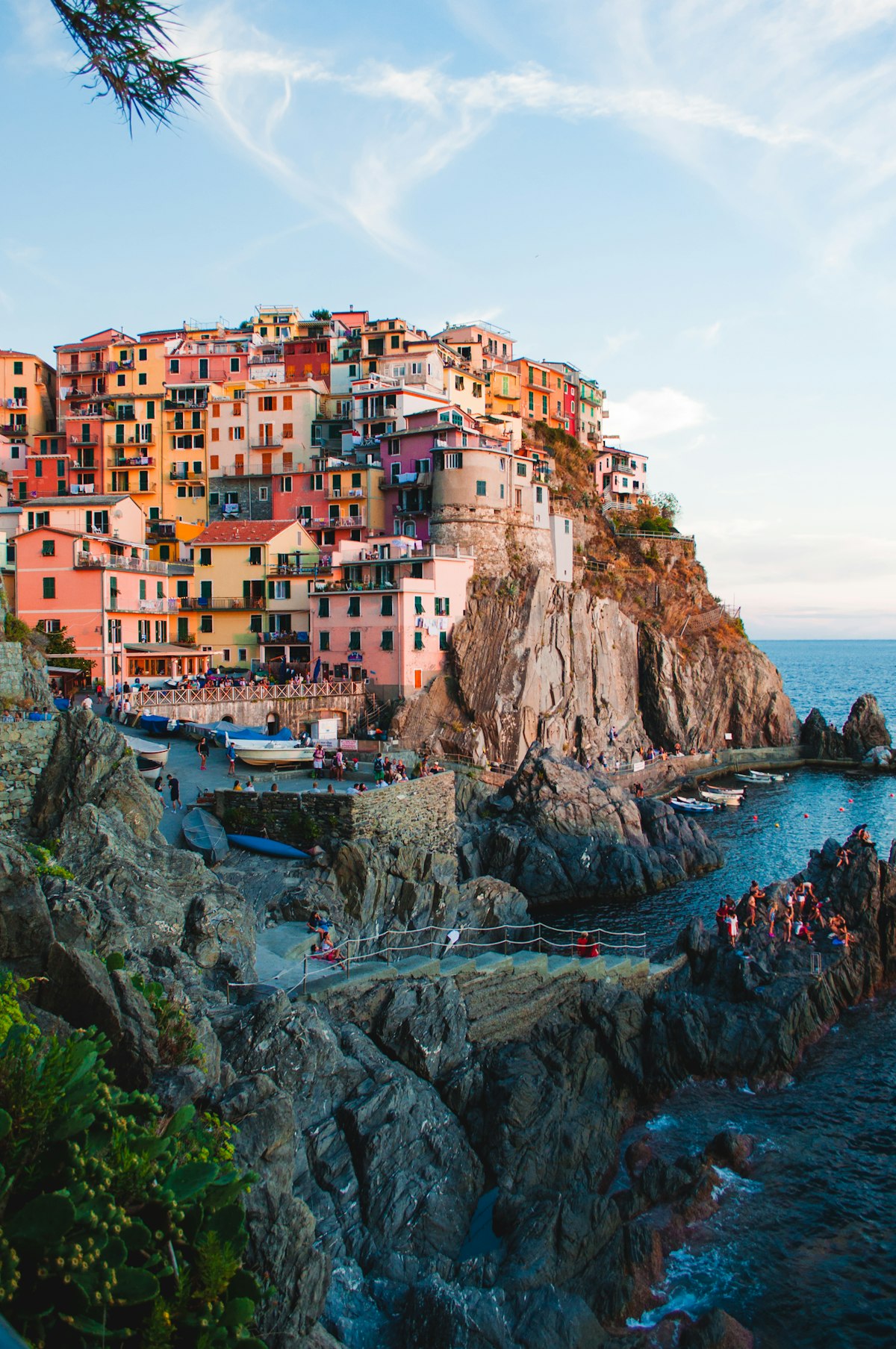
Photo by Luca Bravo on Unsplash
Several locations in Northern Norway are renowned for whale watching. Here are some top spots:
- Tromsø: Often referred to as the 'Gateway to the Arctic,' Tromsø is a bustling hub for whale watching tours. The fjords surrounding Tromsø are rich feeding grounds for various whale species.
- Andenes: Located on Andøya Island, Andenes is famous for its deep-sea whale watching tours, providing opportunities to see sperm whales and other deep-diving species.
- Senja: Norway's second-largest island, Senja offers breathtaking scenery and excellent whale watching opportunities, especially for orcas and humpbacks during the summer months.
- Lofoten Islands: Known for their dramatic landscapes, the Lofoten Islands also provide opportunities for whale watching, particularly around the town of Reine.
- Vesterålen: This archipelago north of the Lofoten Islands is a lesser-known but fantastic spot for spotting whales, especially minke and orca whales.
Each location offers unique experiences, often combined with stunning views of Norway’s natural beauty.
Travelling to Norway?
Travel insurance from $0.99/day — worldwide coverage
Affiliate link — we may earn a commission at no extra cost to you.
Practical Tips for Whale Watching
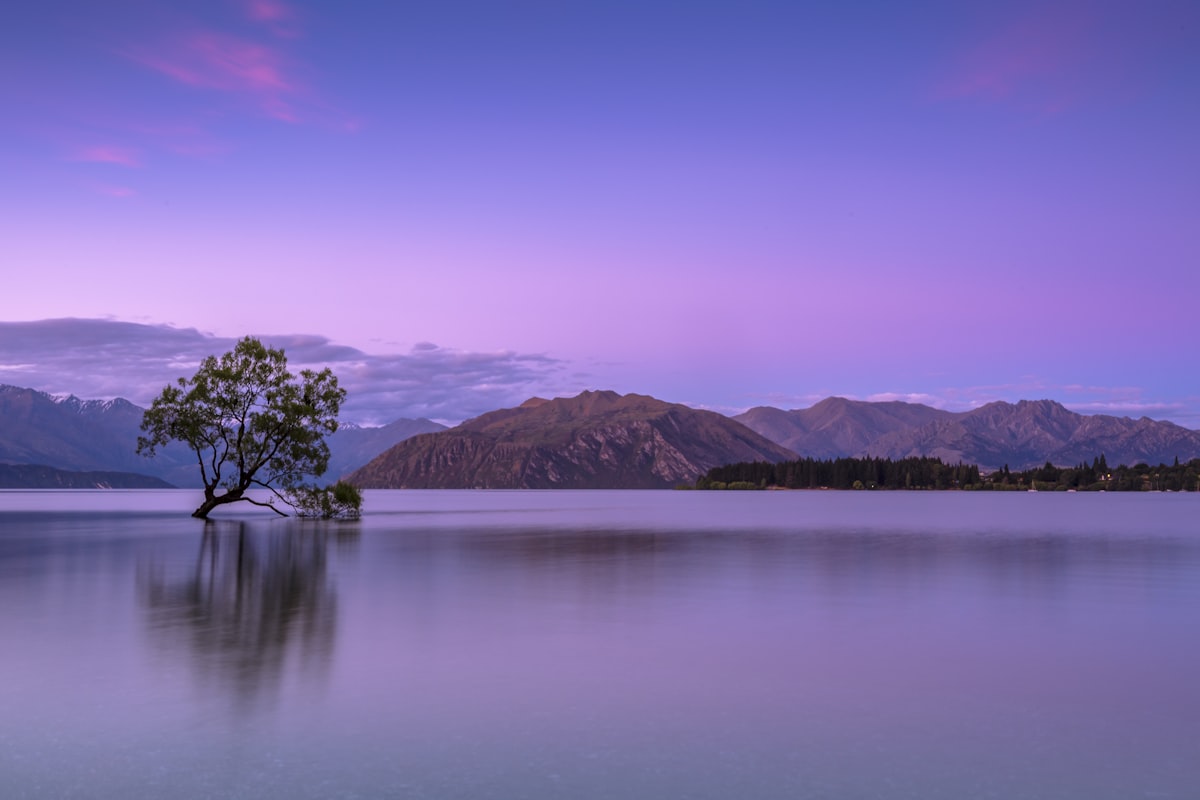
Photo by John Towner on Unsplash
To ensure a successful and enjoyable whale watching experience, consider the following practical tips:
- Choose the Right Tour Operator: Look for reputable companies with experienced guides who prioritize wildlife conservation and have a good safety record.
- Dress Appropriately: Weather in Northern Norway can be unpredictable. Dress in layers, wear waterproof clothing, and bring a good pair of binoculars for up-close views.
- Be Patient: Whale watching can be unpredictable. It's essential to remain patient and keep your eyes peeled as you may have to wait for a sighting.
- Respect Wildlife: Always follow the guidelines provided by your tour operators regarding distance and behavior around the whales. This ensures both your safety and the wellbeing of the animals.
- Bring a Camera: Capture your memories with a good camera, but be mindful of the noise and movement while taking photos, as this may disturb the whales.
Cruise the Norwegian Fjords
Explore Norway by sea - unforgettable voyages
Affiliate links — we may earn a small commission at no extra cost to you.
Getting There and Experiencing Whale Watching

Photo by Simon Infanger on Unsplash
Getting to Northern Norway is relatively straightforward. The main cities like Tromsø and Bodø are accessible by air, with Tromsø having a well-connected airport offering flights from Oslo and other major cities. Once you arrive, you can easily book a whale watching tour with various operators, many of whom provide all the necessary equipment and guidance. Tours typically last between 3 to 8 hours, depending on the package you choose.
In addition to boat tours, consider combining your whale watching experience with other activities such as hiking, kayaking, or visiting the Northern Lights during the winter. This can create a well-rounded adventure that showcases the beauty and wildlife of Northern Norway.
Flight delayed or cancelled?
You may be owed up to €600 in compensation
Affiliate links — we may earn a small commission at no extra cost to you.
Insider Tips for an Unforgettable Experience

Photo by Bart on Unsplash
To maximize your whale watching experience in Northern Norway, consider these insider tips:
- Take an Evening Tour: Consider booking an evening whale watching tour. The light during the golden hour can create stunning backdrops for your sightings, and there’s a chance to see more wildlife as they are more active.
- Check the Weather: Prioritize your trip around favorable weather conditions. Clear days are ideal for visibility, and calmer waters make for smoother rides.
- Ask Locals: Don’t hesitate to engage with locals or fellow travelers. They often have the best insights into where and when to spot whales.
- Combine with Other Experiences: Pair your whale watching with other activities like fishing, hiking, or cultural experiences in local villages for a more enriching adventure.
- Stay Longer: If possible, extend your stay to increase your chances of seeing whales. The more time you spend on the water, the better your chances of unforgettable encounters.


