Capture the Magic: A Photography Guide to Norway's Landscapes
Discover stunning locations and essential tips for capturing Norway's breathtaking landscapes through photography.
Introduction: The Allure of Norwegian Landscapes
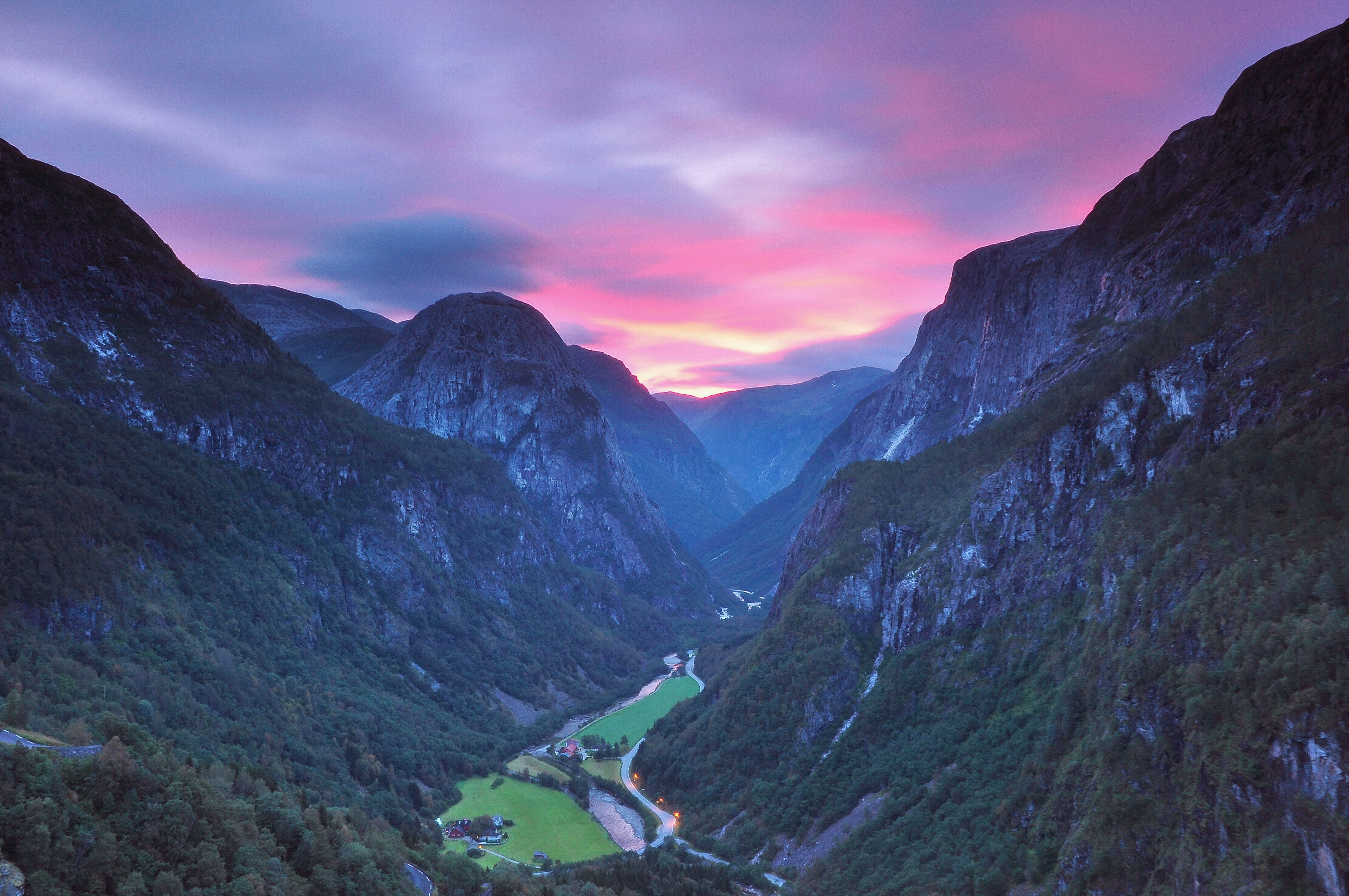
Photo by Tomáš Malík on Unsplash
Norway is a photographer’s dream. With its dramatic fjords, pristine lakes, snow-capped mountains, and vibrant northern lights, the country offers an array of stunning landscapes that are bound to inspire. Whether you’re a seasoned professional or an enthusiastic amateur, Norway presents endless opportunities to capture its natural beauty. This guide will take you through the best times for photography, highlight must-visit locations, and provide practical tips to help you make the most of your photographic journey in Norway.
Plan your Norway trip
Book Local Tours & Activities
Discover authentic Norwegian experiences
Find Your Perfect Stay in Norway
Hotels, cabins & unique accommodations
Affiliate links — we may earn a small commission at no extra cost to you.
Best Time to Capture Norway's Landscapes
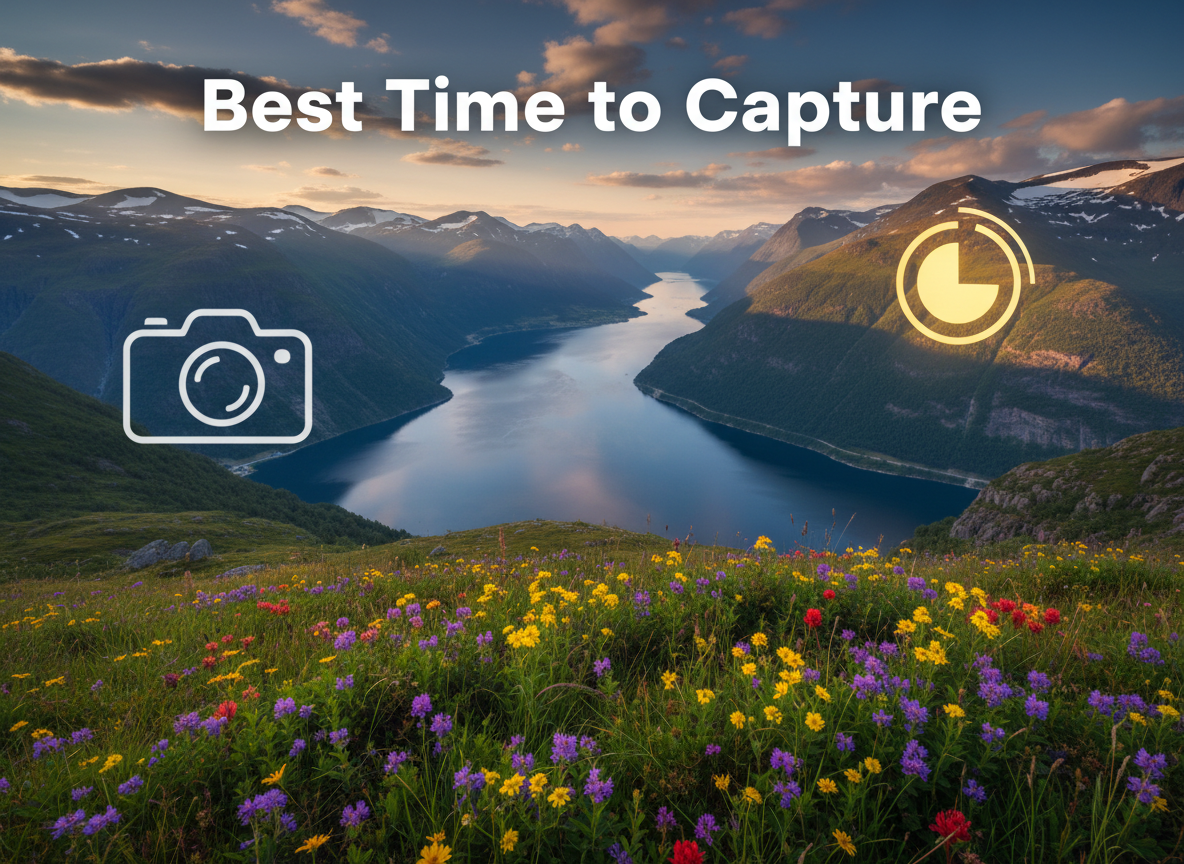
Photo by David Marcu on Unsplash
The best time to photograph Norway’s landscapes largely depends on what you wish to capture. For the northern lights, late autumn to early spring (September to March) is ideal. The long nights and clear skies provide perfect conditions for observing and photographing the auroras. If you’re aiming to capture the vibrant colors of the midnight sun, visit during the summer months of May to August. This is also the best time for hiking and exploring the fjords, as the weather is milder and the daylight lasts for up to 24 hours.
Spring (April to June) is a fantastic time for capturing blooming wildflowers and waterfalls, particularly in the fjord regions. The autumn months (September to November) showcase Norway’s landscapes in rich hues of orange, red, and gold, making this a picturesque period for landscape photography. Each season offers unique opportunities, so plan your visit based on your photographic goals!
Speak the language
Never get stuck for words in Norwegian
Someone speaks to you in Norwegian? TalkBuoy listens in real time and suggests exactly what to say back. Your AI companion for travel conversations and language learning.
Must-Visit Locations for Stunning Photography
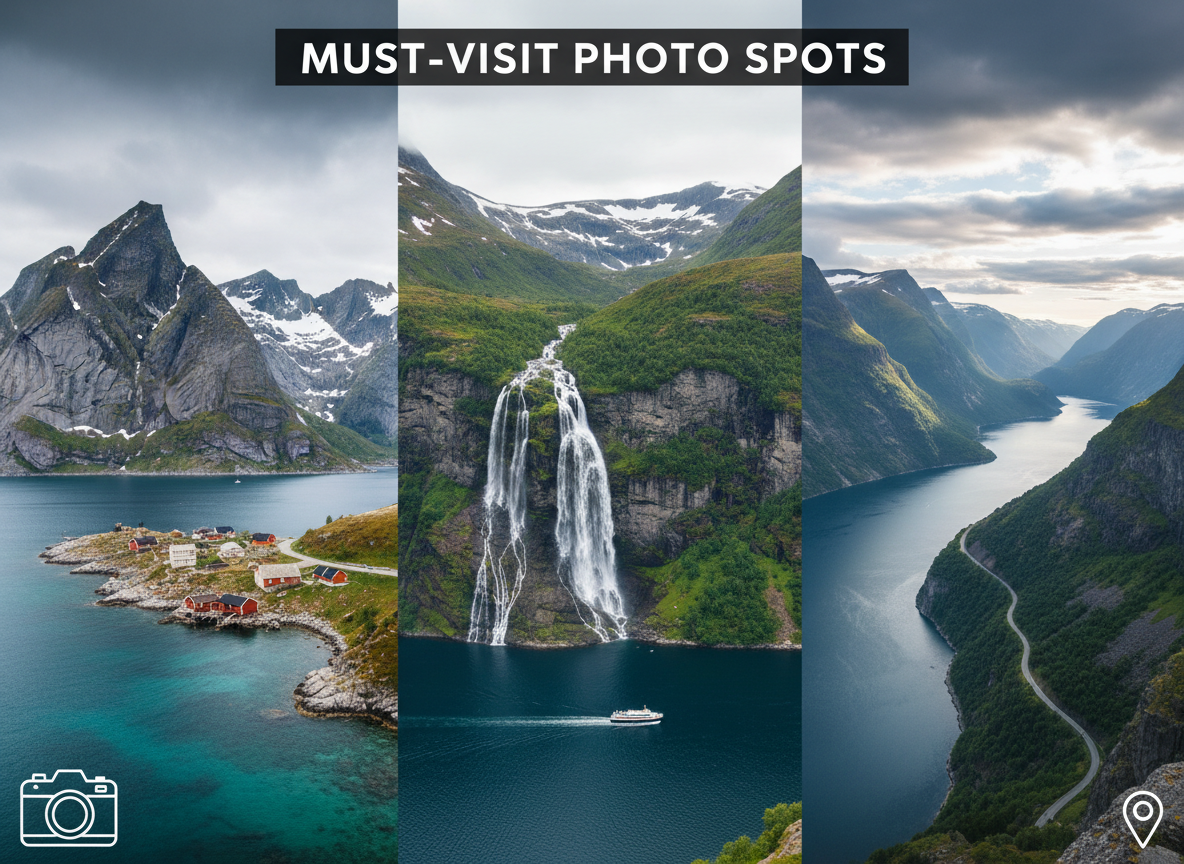
Photo by Jonatan Pie on Unsplash
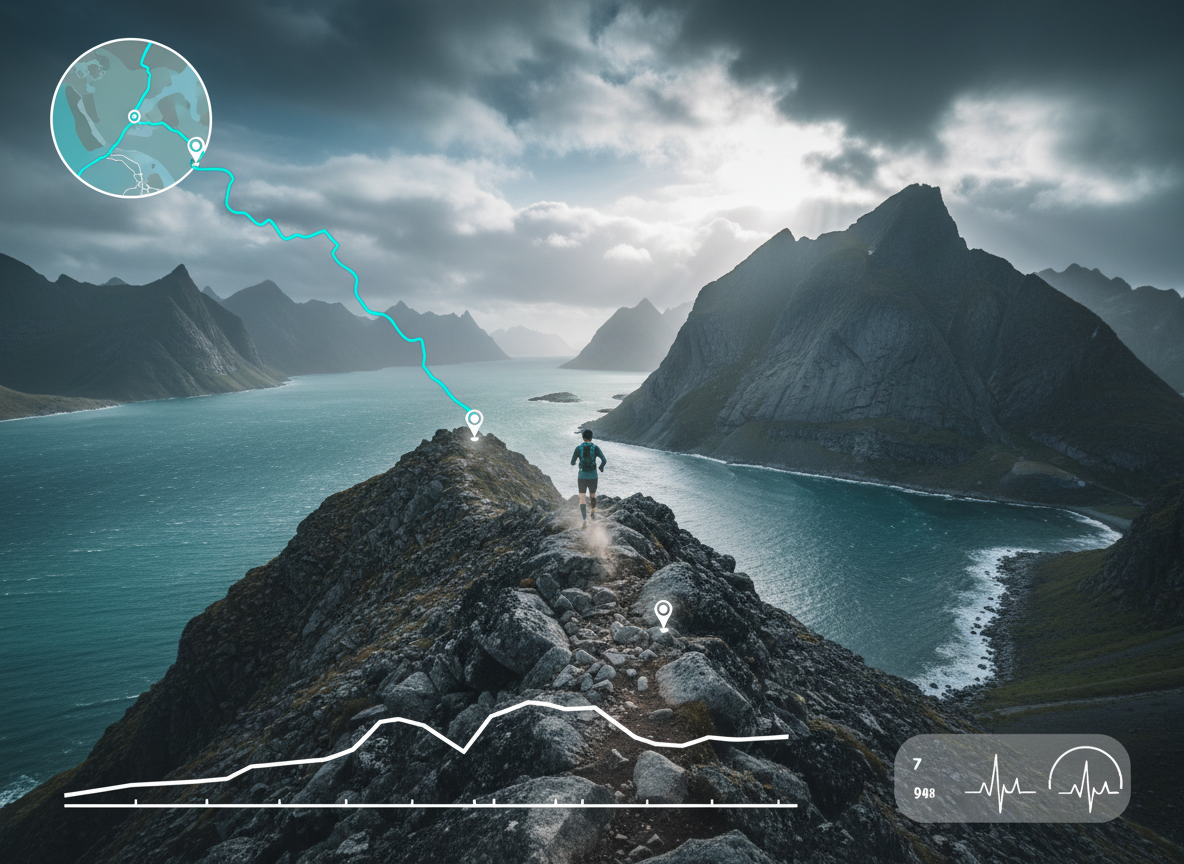
- Lofoten Islands: Known for their dramatic peaks and picturesque fishing villages, the Lofoten Islands are a photographer’s paradise. The unique landscapes here, with sharp mountains rising from the sea, offer endless composition possibilities. Visit the iconic Reinebringen hike for panoramic views or capture the quaint fishing huts at Hamnøy. For more information, check out the Lofoten visitor guide.
- Geirangerfjord: This UNESCO World Heritage site is renowned for its stunning beauty. The fjord, with its towering cliffs and cascading waterfalls, is best photographed from the viewing points at Dalsnibba or Flydalsjuvet. Early morning or late evening light can create magical reflections on the water. You can find more details on this breathtaking location at nasjonalparker.no.
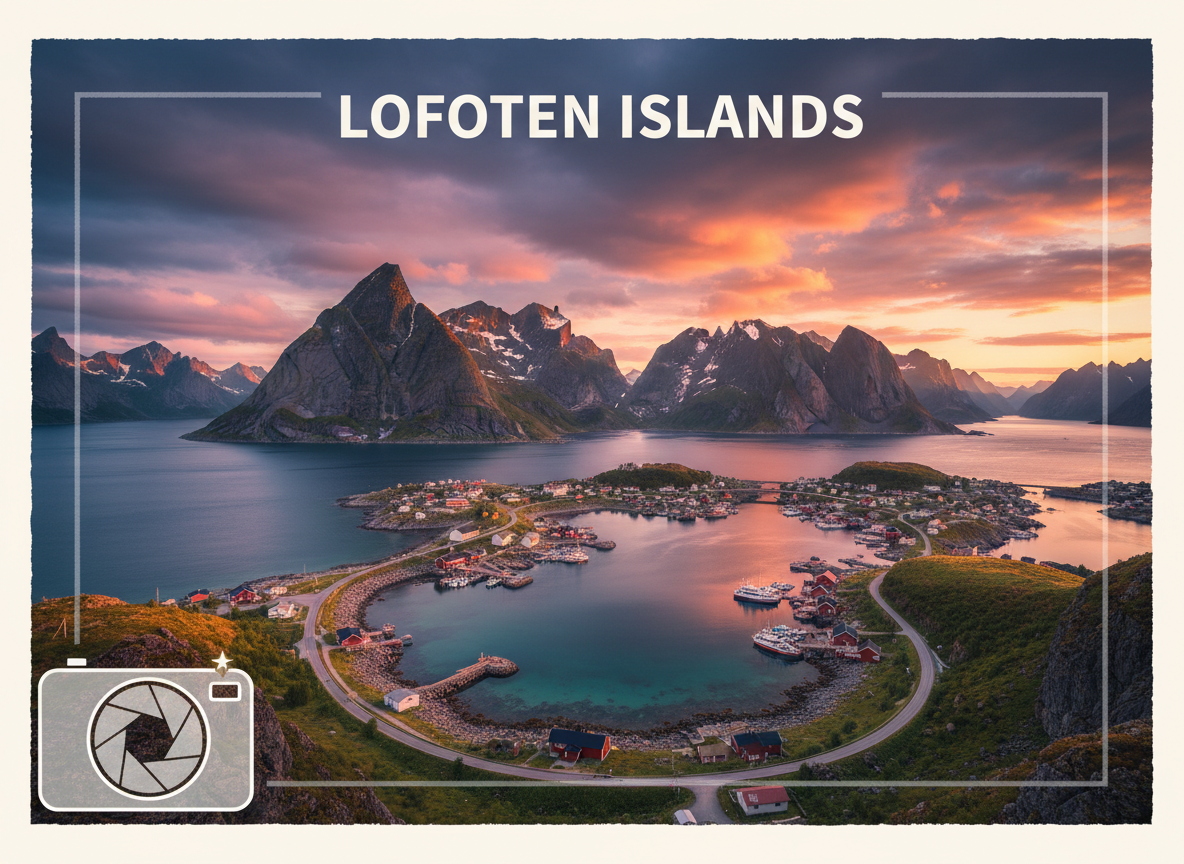
Photo by Robert Bye on Unsplash
- Trolltunga (Troll’s Tongue): This iconic rock formation provides a breathtaking backdrop for dramatic shots. The challenging hike to reach it is well worth the effort, especially at sunrise or sunset when the light enhances the rugged landscape. For trail information, visit ut.no.
- Aurlandsfjord: A side arm of the Sognefjord, Aurlandsfjord is less crowded and just as stunning. Capture the serene waters and green hills by taking a kayak out on the fjord or hiking the nearby Stegastein viewpoint.
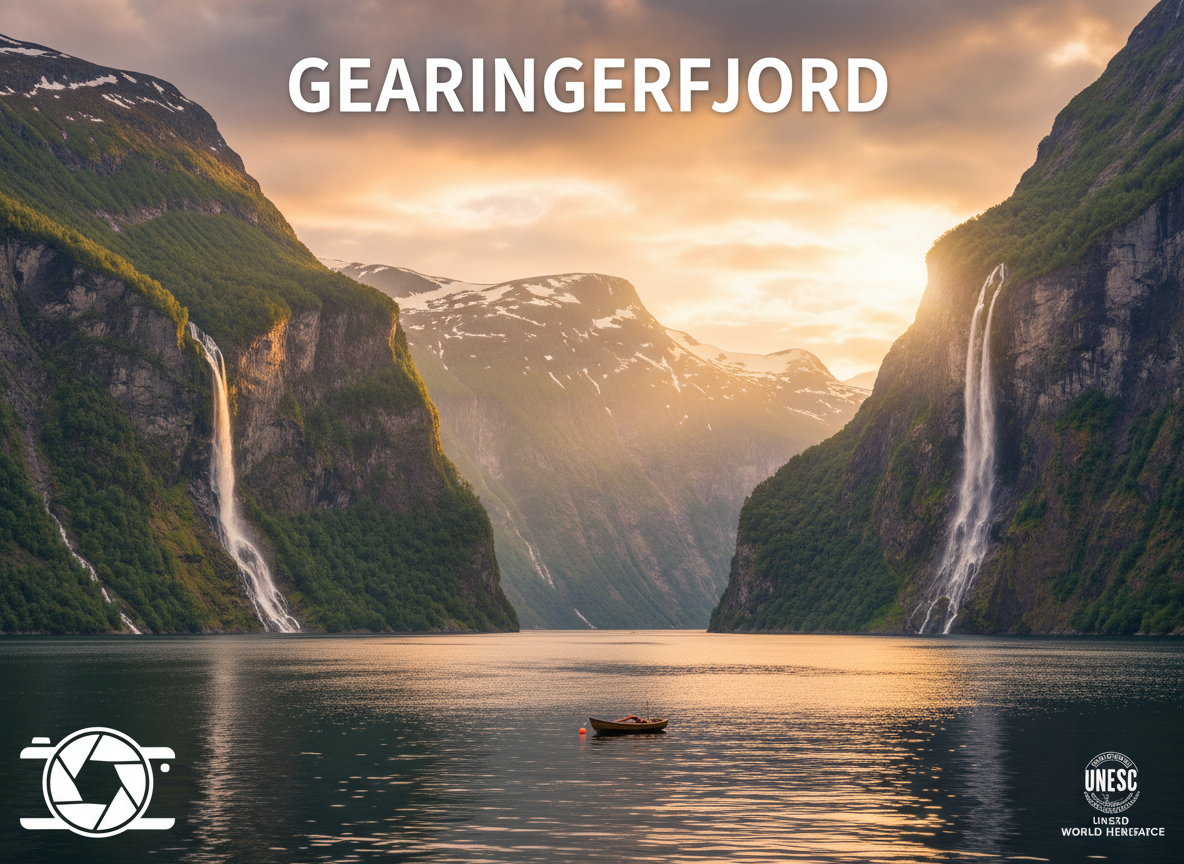
Photo by Stian Klo on Unsplash
- Senja Island: Often overlooked, Senja offers diverse landscapes ranging from mountains to beaches. The dramatic coastline, especially at Ersfjordstranda, is perfect for capturing both seascapes and mountain views. The area is less touristy, providing a tranquil atmosphere for photography.
Discover top experiences
Affiliate links — we may earn a small commission at no extra cost to you.
Practical Tips for Photographing Norway
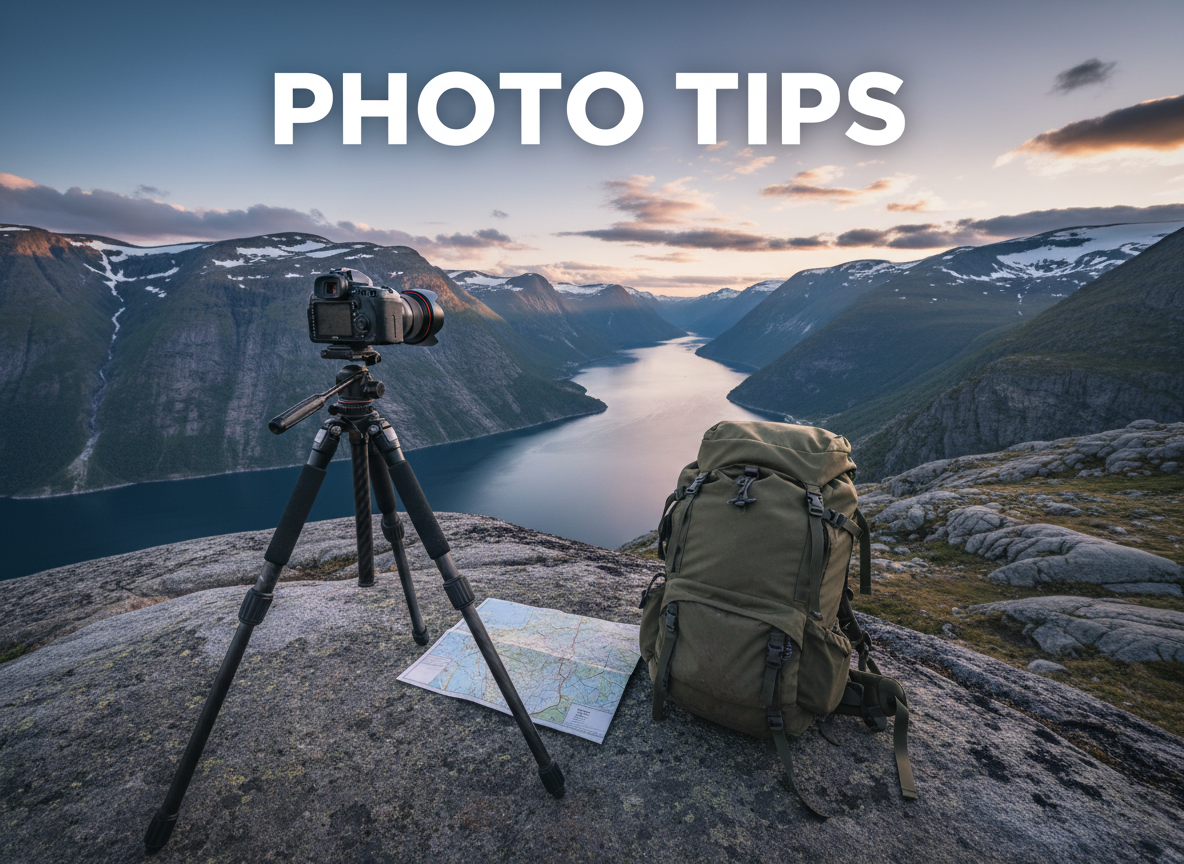
Photo by John O'Nolan on Unsplash
- Gear: Bring a sturdy tripod for landscape shots, especially during low-light conditions. A wide-angle lens (16-35mm) is ideal for capturing expansive landscapes, while a telephoto lens (70-200mm) can help isolate subjects in the distance. Don't forget extra batteries and memory cards!
- Weather Preparedness: Norway's weather can be unpredictable. Dress in layers and be prepared for rain, even in the summer. Waterproof gear for your camera is also recommended. For current weather conditions, check yr.no.
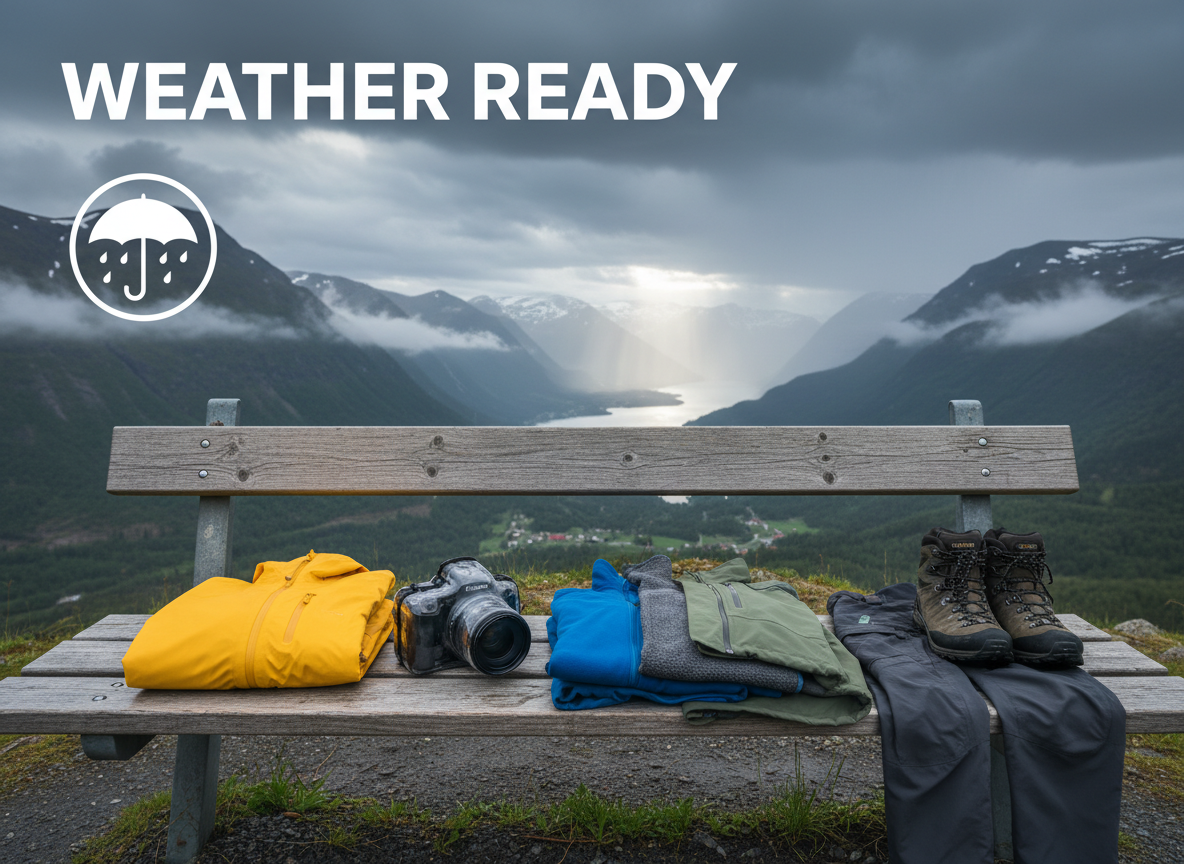
Photo by Vidar Nordli-Mathisen on Unsplash
- Composition Techniques: Use the rule of thirds to create balanced and engaging images. Leading lines, like roads or rivers, can guide the viewer’s eye through the photograph. Look for foreground interest to add depth to your landscapes.
- Timing: The golden hour—just after sunrise and before sunset—provides soft, warm light that enhances landscapes. Plan your shoots around these times for the best results.
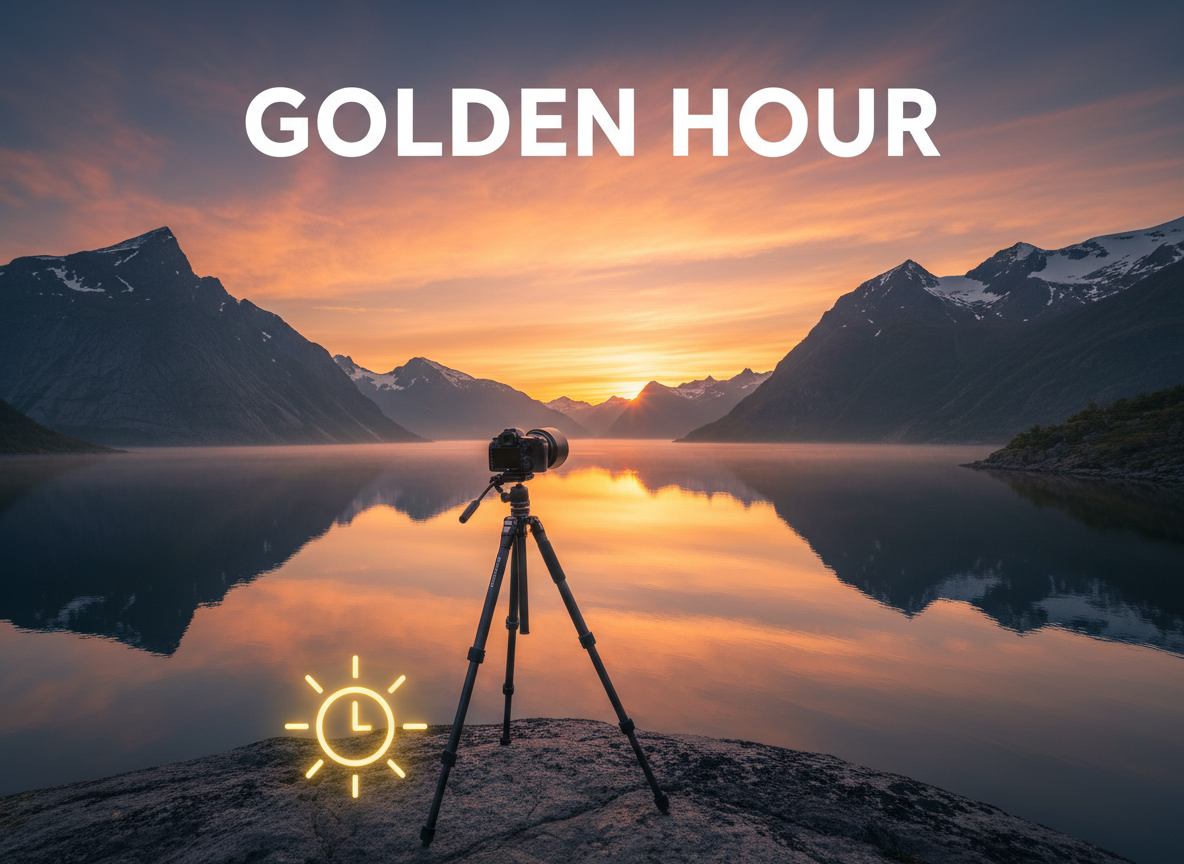
Photo by John Towner on Unsplash
- Post-Processing: Familiarize yourself with photo editing software to enhance your images further. Adjusting contrast, saturation, and sharpness can elevate your photographs to the next level.
Travelling to Norway?
Travel insurance from $0.99/day — worldwide coverage
Affiliate link — we may earn a commission at no extra cost to you.
Getting There: How to Experience Norway’s Landscapes
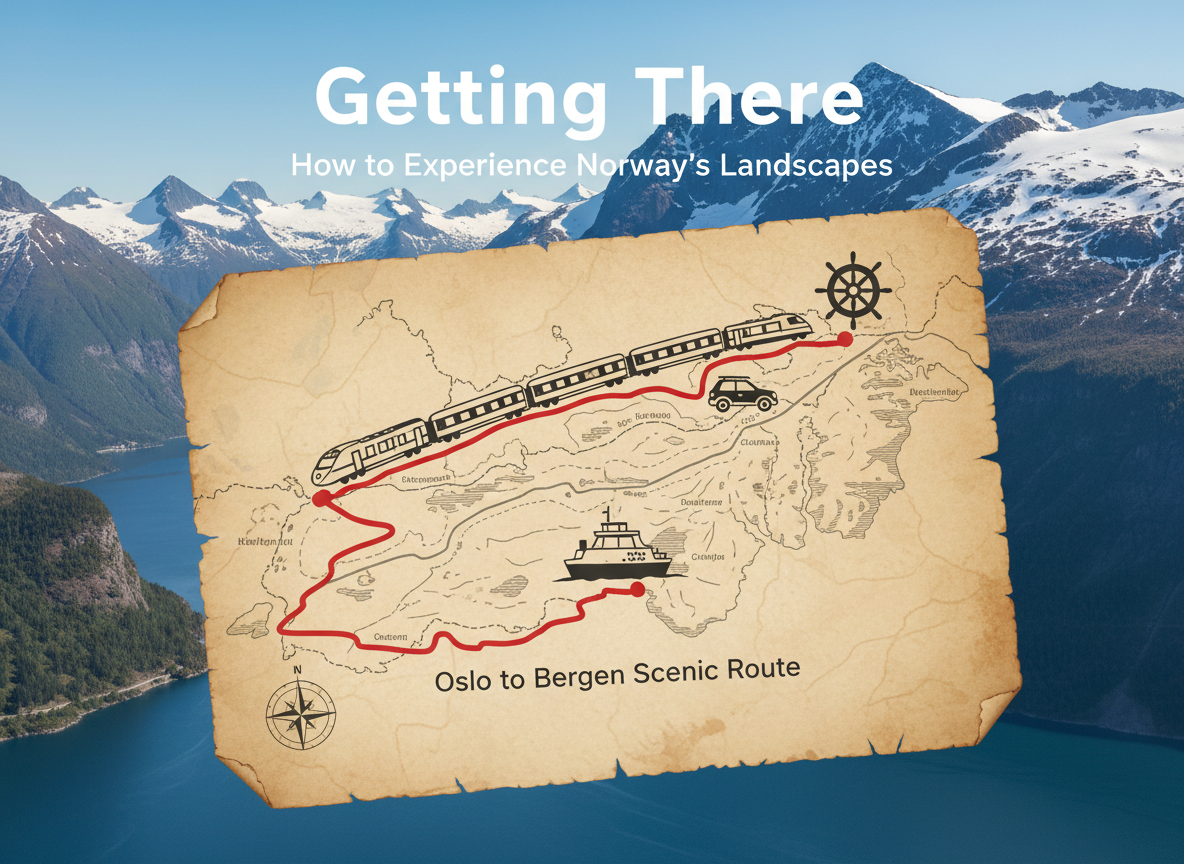
Photo by Kym Ellis on Unsplash
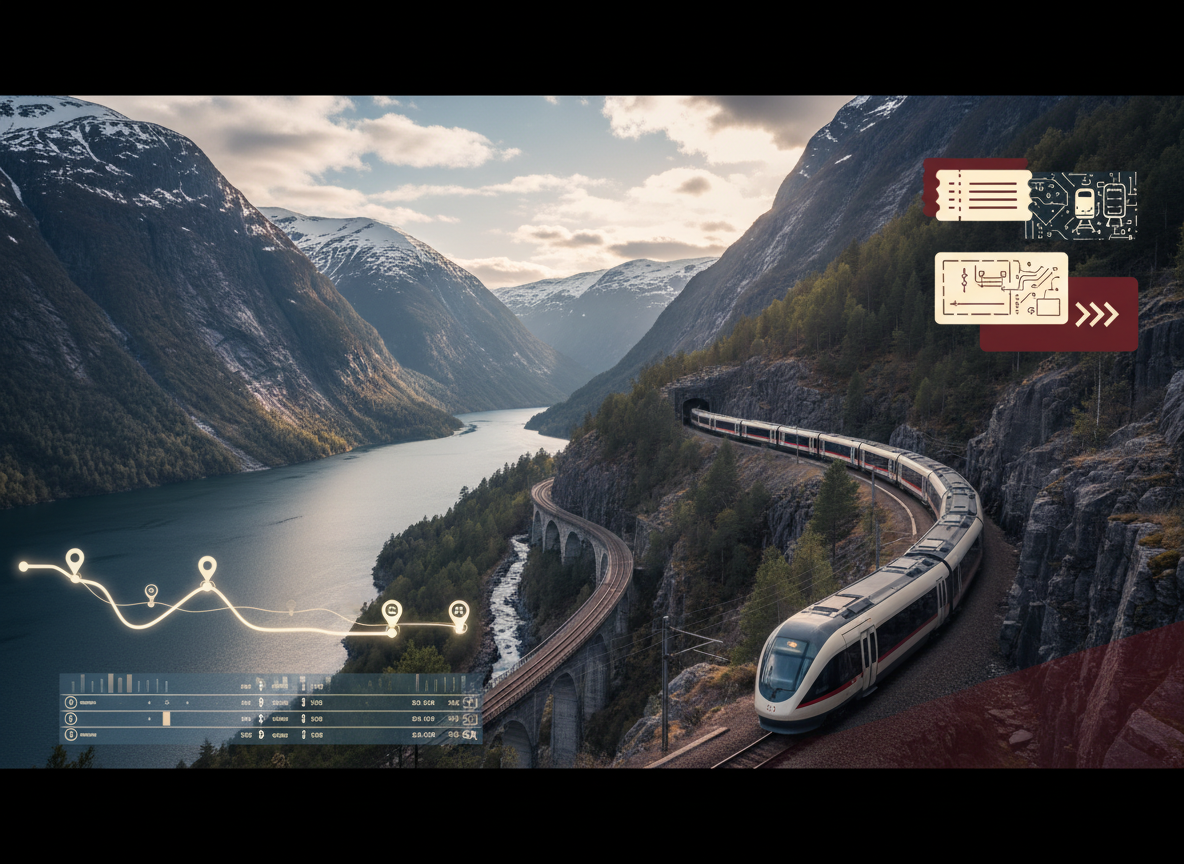
Traveling in Norway can be an adventure in itself. The country’s extensive public transport system, including trains and buses, makes it easy to access popular photography locations. The scenic train ride from Oslo to Bergen is particularly noteworthy, offering jaw-dropping views of mountains, fjords, and waterfalls. For train schedules and tickets, visit vy.no.
For more remote areas like Lofoten or Senja, consider renting a car or camper van to explore at your own pace. This allows for spontaneous stops for photography along the way. Norway also has several domestic flights connecting major cities and regions, which can save you time.
When hiking to locations like Trolltunga or Aurlandsfjord, ensure you have proper navigation tools, as trails may not always be well-marked. Local tourism offices can provide maps and current trail conditions, making your photographic journey smoother and safer.
Cruise the Norwegian Fjords
Explore Norway by sea - unforgettable voyages
Affiliate links — we may earn a small commission at no extra cost to you.
Insider Tips for Capturing the Best Shots
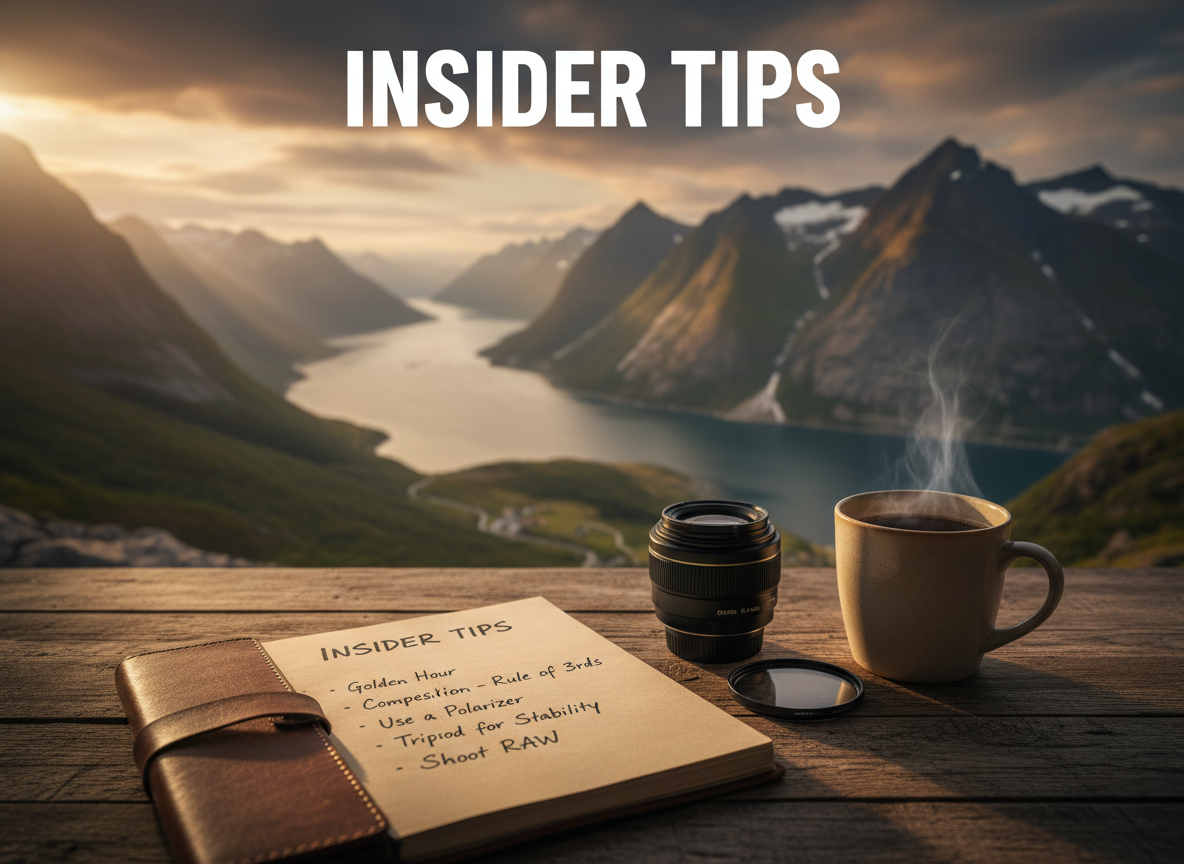
Photo by Luca Bravo on Unsplash
- Local Knowledge: Connect with local photographers or join photography workshops. They can offer insights on hidden gems and the best times to shoot various locations.
- Stay Flexible: Be open to changing your plans based on weather conditions. Sometimes, the most magical moments happen spontaneously, so be ready to adapt your itinerary.
- Scout Locations: Take time to explore your chosen spots before setting up your camera. Look for unique angles and compositions that you might not notice at first glance.
- Respect Nature: Always follow Leave No Trace principles. Stay on marked paths, and be mindful of wildlife and fragile ecosystems while capturing your shots.
- Practice Patience: Landscape photography often requires waiting for the right moment. Whether it’s for the perfect light or a passing cloud, patience is key to capturing the breathtaking scenes Norway has to offer.