The Ultimate Guide to Driving in Norway: Roads, Tolls, and Winter Tires
Explore Norway's scenic roads, tolls, and winter driving tips for an unforgettable adventure.
Introduction: Discover the Allure of Driving in Norway
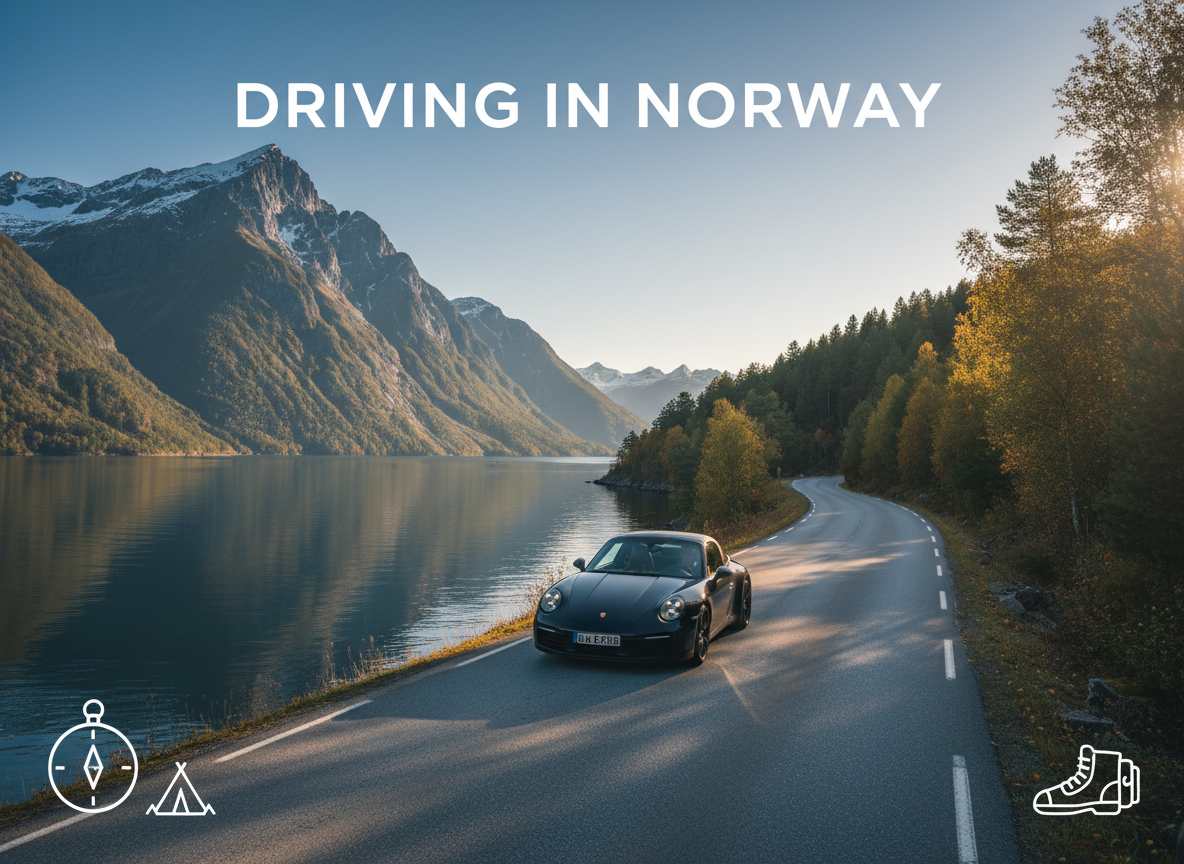
Photo by Stian Klo on Unsplash
Norway’s dramatic landscapes, with fjords, mountains, and charming villages, make it one of the most captivating countries to explore by car. Driving allows you to experience the breathtaking scenery at your own pace, whether you're cruising along the coastal roads, venturing into the heart of the fjords, or discovering hidden gems in the countryside. This guide will provide you with essential information on Norway's roads, toll systems, and winter driving requirements, ensuring a smooth and enjoyable journey.
Norway is known for its extensive and well-maintained road network. The country offers a mix of scenic highways and narrow roads that wind through stunning landscapes, providing countless opportunities for adventure and exploration. However, driving in Norway comes with its unique challenges, especially in winter, when snow and ice can create hazardous conditions. Understanding the driving rules, tolls, and necessary equipment such as winter tires is crucial for a safe trip. This guide equips you with practical tips and insider knowledge to navigate Norway’s roads with confidence.
Plan your Norway trip
Book Local Tours & Activities
Discover authentic Norwegian experiences
Find Your Perfect Stay in Norway
Hotels, cabins & unique accommodations
Affiliate links — we may earn a small commission at no extra cost to you.
Best Time/Season for Driving in Norway
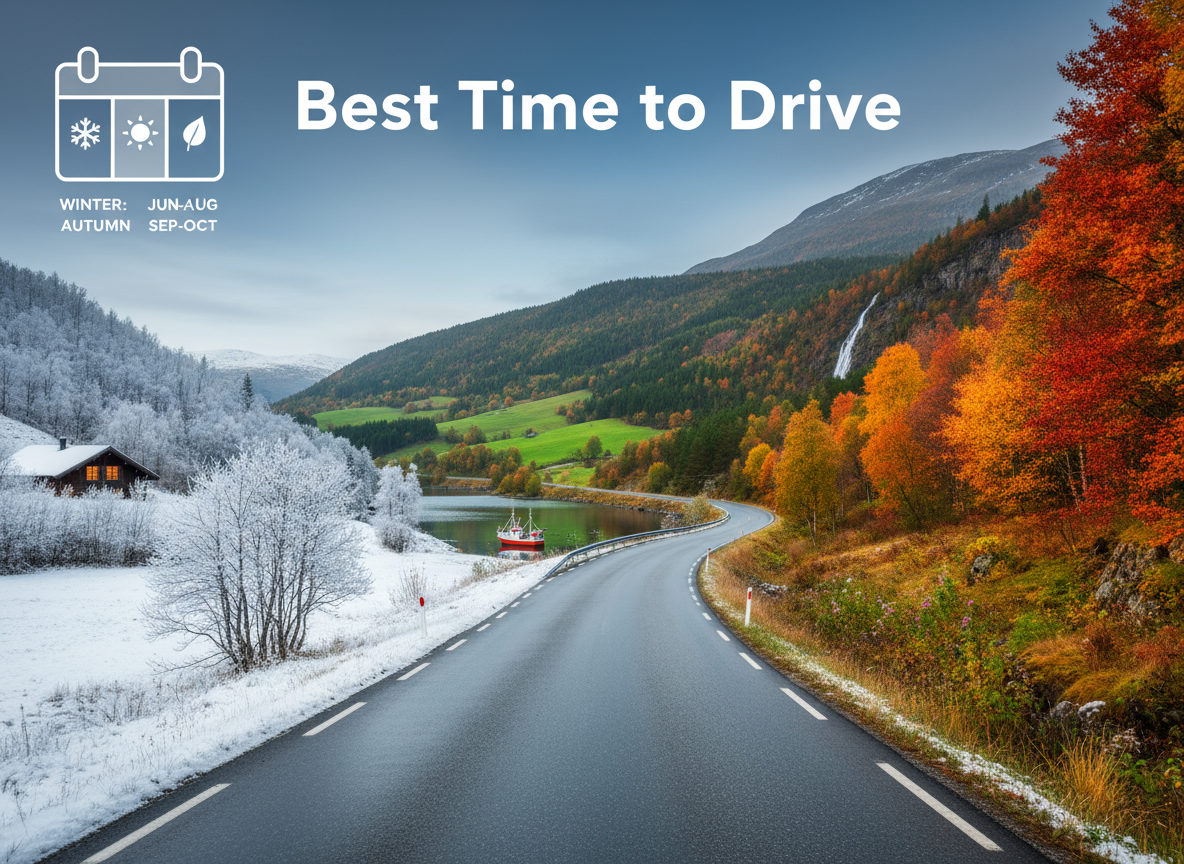
Photo by Jonatan Pie on Unsplash
The best time to drive in Norway largely depends on your interests and the type of experiences you wish to have. The summer months from June to August are ideal for those looking to enjoy long daylight hours and mild weather. During this period, the midnight sun graces northern regions, allowing for extended exploration without the constraints of darkness. Popular destinations like the Lofoten Islands and Geirangerfjord come alive with vibrant green landscapes and blooming flowers.
However, if you're keen on winter sports or experiencing the magical Northern Lights, then the winter months from December to March are perfect for your adventure. The roads may be challenging due to snow and ice, but the scenery is breathtaking, with snow-covered mountains and frozen fjords. The winter also offers unique activities such as dog sledding, skiing, and snowshoeing.
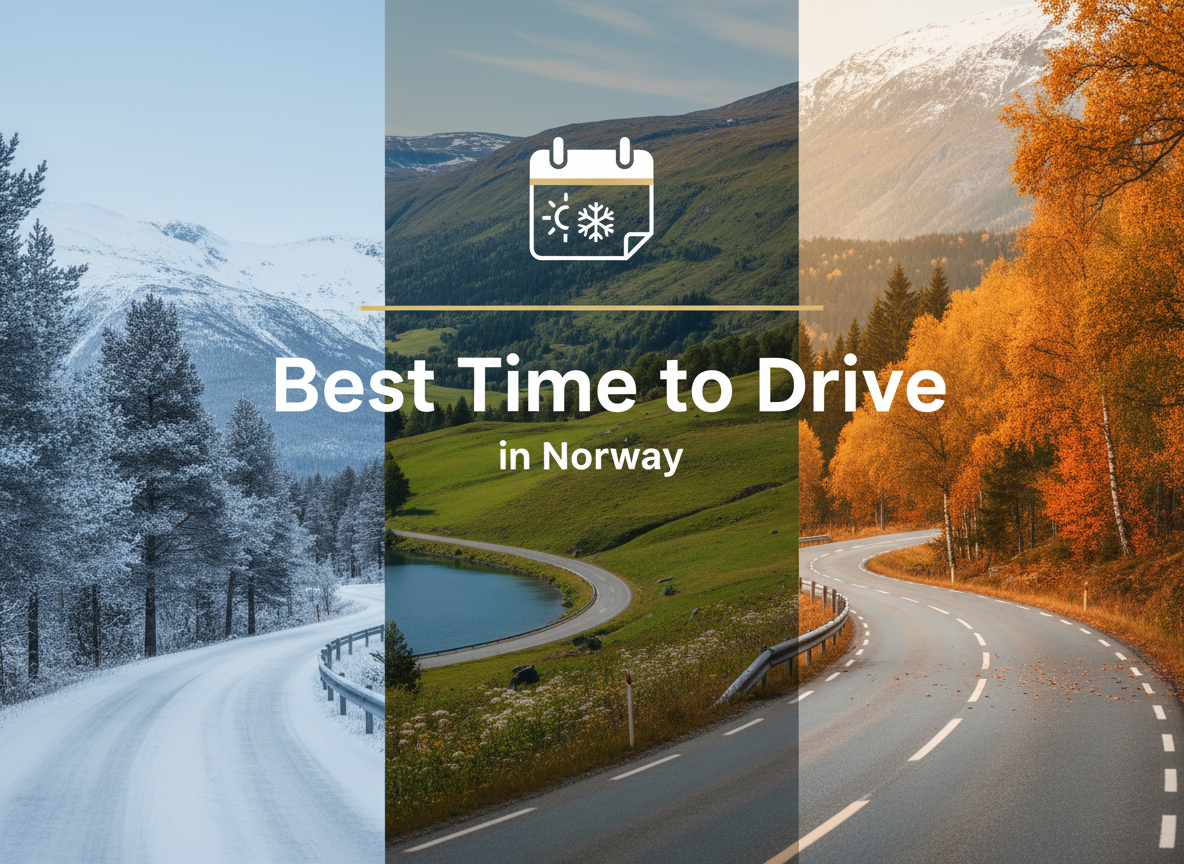
Photo by John O'Nolan on Unsplash
Each season has its charm, so choose according to your preferences. Just be prepared for changing weather conditions and plan your route accordingly, especially if traveling in winter when daylight hours are shorter.
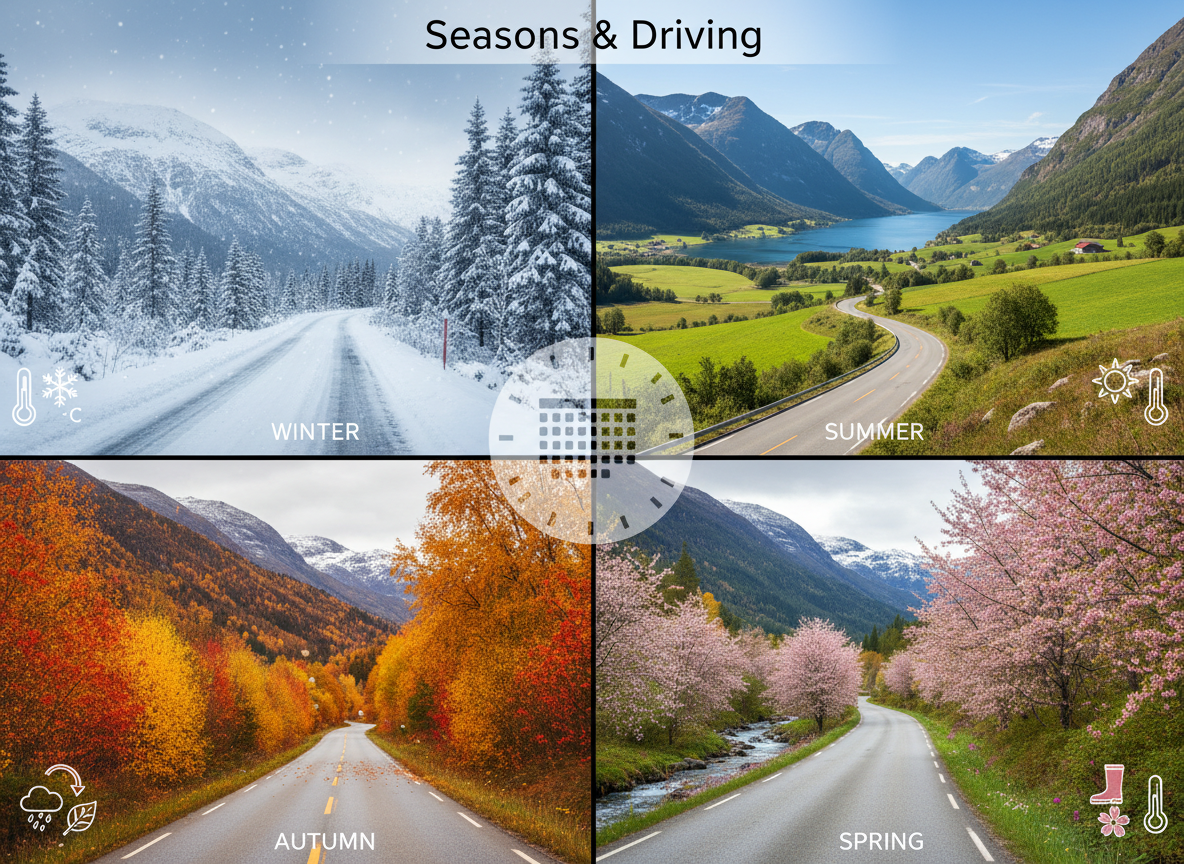
Photo by David Marcu on Unsplash
Speak the language
Never get stuck for words in Norwegian
Someone speaks to you in Norwegian? TalkBuoy listens in real time and suggests exactly what to say back. Your AI companion for travel conversations and language learning.
Navigating Norway's Roads: Types and Conditions
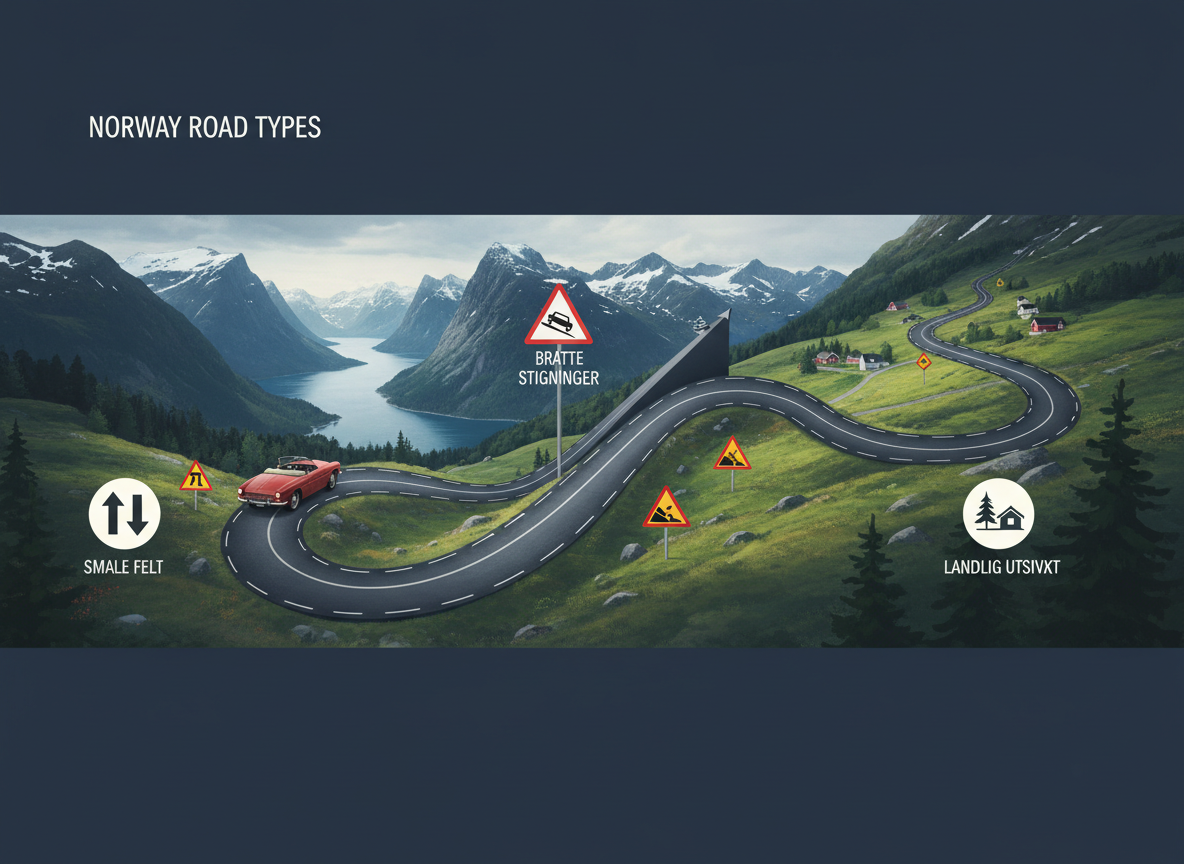
Photo by Luca Bravo on Unsplash
Norway's road network consists of various types of roads, including motorways, national roads, and scenic routes. Motorways (E-roads) are well-maintained and connect major cities, making them ideal for long-distance travel. National roads offer access to popular tourist destinations and are often very scenic. Don’t miss the National Tourist Routes, which provide stunning views and unique architectural viewpoints along the way.
However, be aware that many of Norway's roads are narrow and winding, particularly in rural areas. These roads can be steep and may not be suitable for large vehicles. It's essential to drive carefully and adhere to speed limits, which are typically lower than in many other countries. Additionally, watch out for wildlife, as animals like moose may unexpectedly cross the roads.
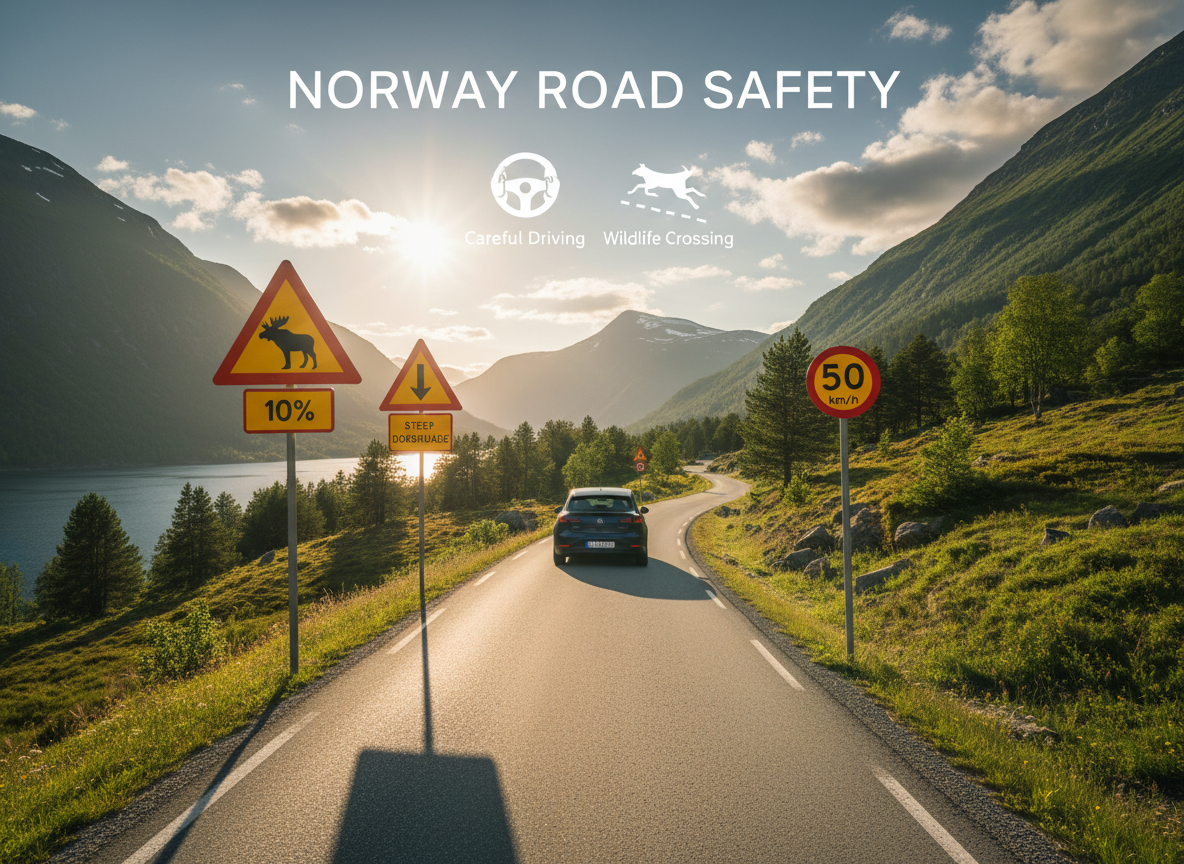
Photo by Tomáš Malík on Unsplash
During winter, driving conditions can become more challenging. Snow and ice can make roads slippery, and visibility can be reduced in heavy snowstorms. Always check the road conditions before setting out and be prepared for delays. The Norwegian Public Roads Administration (Statens vegvesen) provides regular updates on road conditions and closures, so make sure to consult their website or app before your journey.
Discover top experiences
Affiliate links — we may earn a small commission at no extra cost to you.
Understanding Tolls and Charges on Norwegian Roads
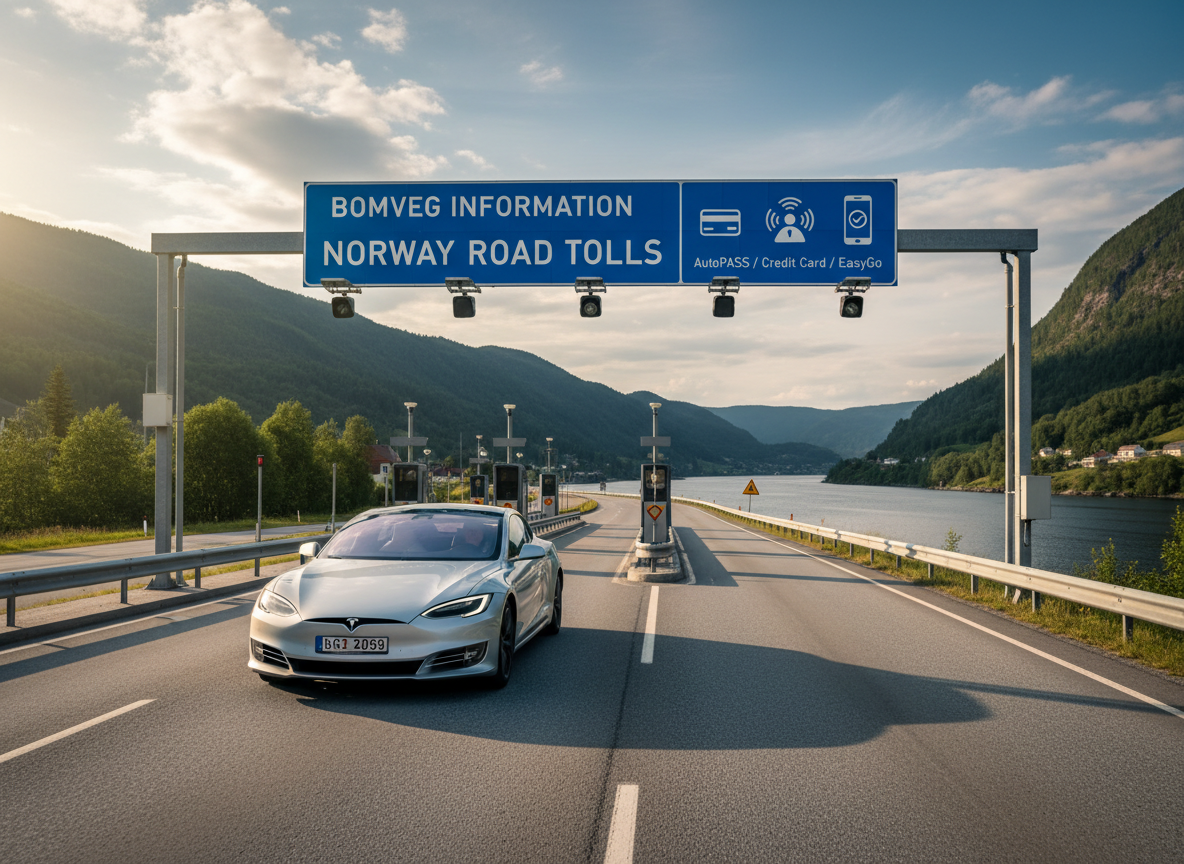
Photo by John Towner on Unsplash
When driving in Norway, it's important to be aware of the toll systems in place. Norway has an extensive network of toll roads, particularly around major cities such as Oslo, Bergen, and Trondheim. Tolls are collected automatically, and vehicles are charged as they pass through toll booths. There are no cash payments; instead, you can use an AutoPASS tag or rental car companies often provide a prepaid system.
The toll rates can vary depending on the type of vehicle and the specific road. For example, some scenic routes and bridges may have higher rates due to their popularity and maintenance costs. Make sure to budget for these tolls in your travel plans. It’s also worth noting that some car rental companies charge additional fees for tolls, so clarify the terms before you rent.
Aside from road tolls, you will also encounter parking fees in cities and popular tourist areas. Be prepared to pay for parking in designated areas, as illegal parking can result in fines. Consider downloading parking apps that allow you to pay and manage parking fees easily while on the go.
Travelling to Norway?
Travel insurance from $0.99/day — worldwide coverage
Affiliate link — we may earn a commission at no extra cost to you.
Winter Tires: Essential for Safe Driving in Norway
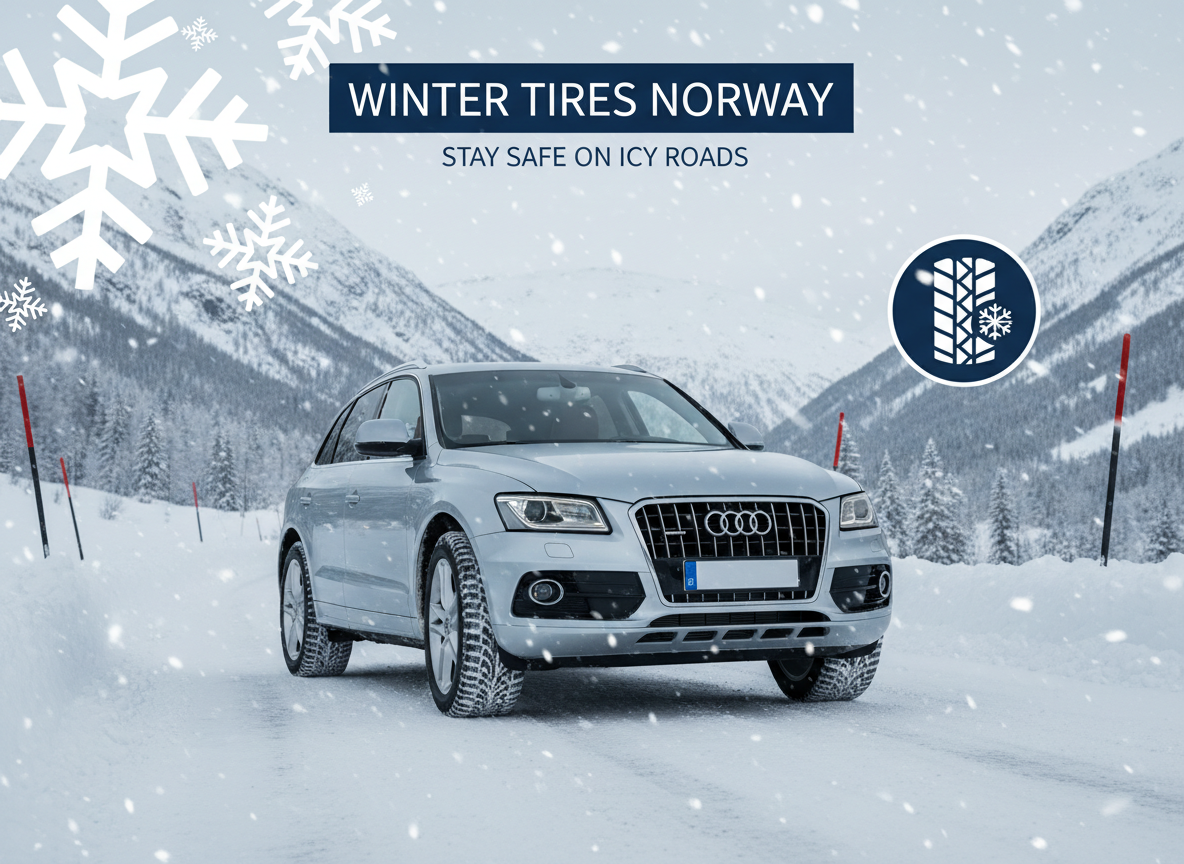
Photo by Vidar Nordli-Mathisen on Unsplash
Driving in Norway during the winter months requires specific preparations, with winter tires being a legal requirement from November 1 to April 15. Winter tires are designed to provide better traction on snow and ice, ensuring safety on slippery roads. If you’re renting a car, ensure that it comes equipped with winter tires. Most rental companies in Norway are familiar with this requirement and will provide the necessary equipment.
In addition to winter tires, it's advisable to carry snow chains for added security, especially if you plan to venture into remote areas or mountainous regions. Some roads may require chains, and they can provide necessary grip in extreme conditions. Familiarize yourself with how to put them on before your trip, as you may need to act quickly in changing weather.
Driving with winter tires significantly reduces the risk of accidents and enhances overall safety. Always check the weather forecast on Yr.no and road conditions before heading out, and be prepared to adjust your travel plans if necessary. Driving slowly and maintaining a safe distance from other vehicles will help you navigate Norway’s winter roads more safely.
Cruise the Norwegian Fjords
Explore Norway by sea - unforgettable voyages
Affiliate links — we may earn a small commission at no extra cost to you.
Getting There: Car Rentals and Driving Conditions
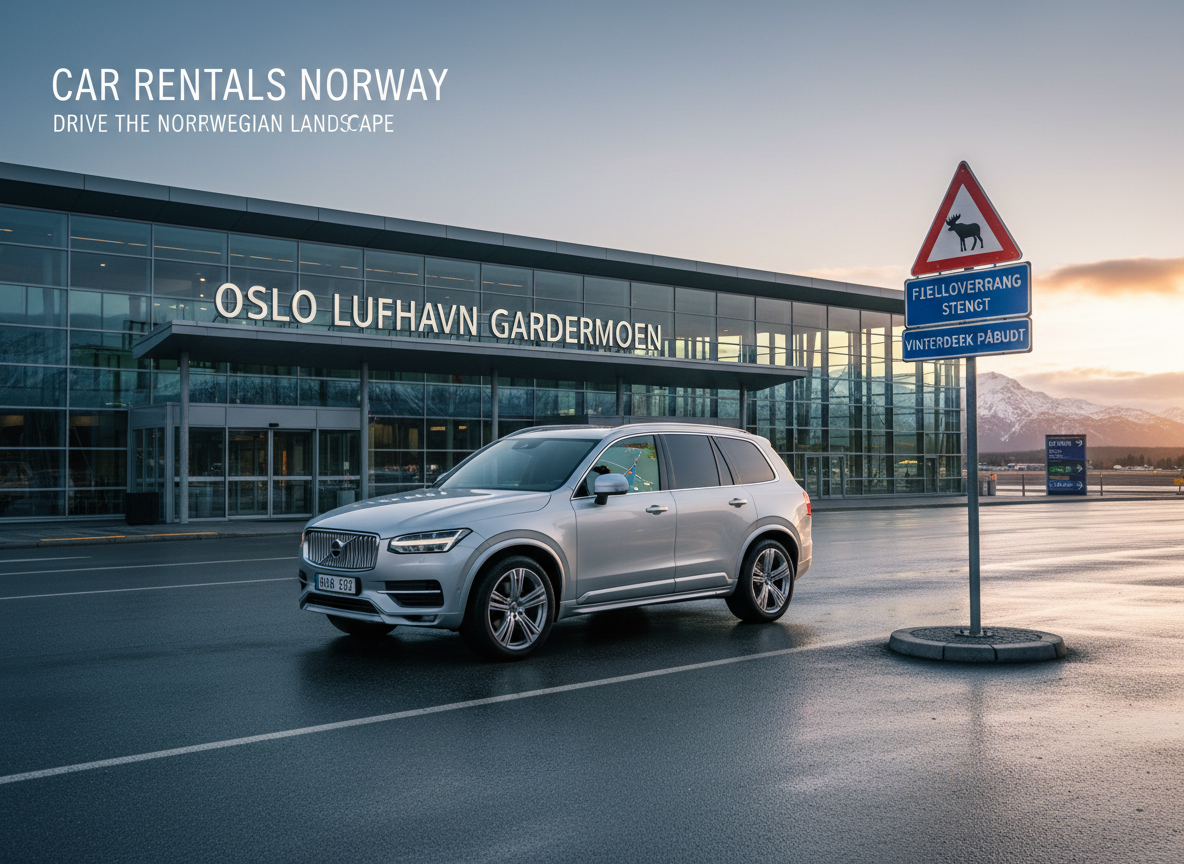
Photo by Robert Bye on Unsplash
If you're traveling to Norway, the easiest way to start your driving adventure is by renting a car. Major cities such as Oslo, Bergen, and Stavanger have multiple car rental options, including international and local companies. It's advisable to book your rental in advance, especially during peak travel seasons, to secure the best rates and availability.
Before hitting the road, familiarize yourself with the local driving regulations. In Norway, traffic drives on the right-hand side, and seat belts are mandatory for all passengers. Additionally, using a mobile phone while driving is prohibited unless you have a hands-free system.
Once you pick up your rental car, take your time acclimating to the vehicle and the driving conditions. Norway's landscapes can be mesmerizing, so allow for plenty of stops to enjoy the scenery and take photographs. Remember that many areas are remote, so plan your fuel stops in advance, as gas stations can be sparse in some regions.
Flight delayed or cancelled?
You may be owed up to €600 in compensation
Affiliate links — we may earn a small commission at no extra cost to you.
Insider Tips for an Unforgettable Driving Experience
Photo by Kym Ellis on Unsplash
To make the most of your driving adventure in Norway, consider these insider tips. First, take advantage of Norway's scenic routes. The National Tourist Routes offer some of the most picturesque drives, showcasing the stunning beauty of the country’s landscapes. Plan your route to include stops at viewpoints and unique attractions along the way.
Secondly, download navigation apps that work offline. Mobile data can be limited in remote areas, so having a reliable navigation system is essential. Google Maps, Waze, or specialized offline maps can help you navigate without internet access.
Lastly, be flexible with your itinerary. Weather conditions can change rapidly in Norway, especially in the mountains. If you encounter road closures or poor weather, have a backup plan to explore nearby areas. Embrace the unexpected and allow yourself to discover hidden gems that may not have been on your original list.